
Excavate a Pond That Fits Your Property
Pond Construction & Excavation in Easton for new water features, agricultural use, and stormwater management
Apex Grading & Landscaping excavates ponds for agricultural irrigation, decorative landscaping, stormwater detention, and wildlife habitat on residential and commercial properties. You're adding a water feature to support livestock, managing runoff from development, or creating a focal point that increases property value and usability. This service includes site evaluation, excavation to specified depth and shape, shaping banks and slopes for stability, and grading the surrounding area to direct water into the basin and prevent erosion.
The process begins with surveying the site to identify natural low points, water sources, soil types, and drainage patterns. In Easton, soil composition affects how well a pond holds water—clay-rich soils retain moisture naturally, while sandy soils may require a liner or additional clay compaction to prevent seepage. Excavation removes material to create the basin, and that soil is typically used to build berms, raise surrounding grades, or fill low areas elsewhere on the property. Slopes are cut at angles that resist erosion and allow safe access for maintenance or livestock.
If you're considering a pond for irrigation, aesthetics, or drainage, a site visit will determine feasibility, size options, and water source availability before excavation begins.
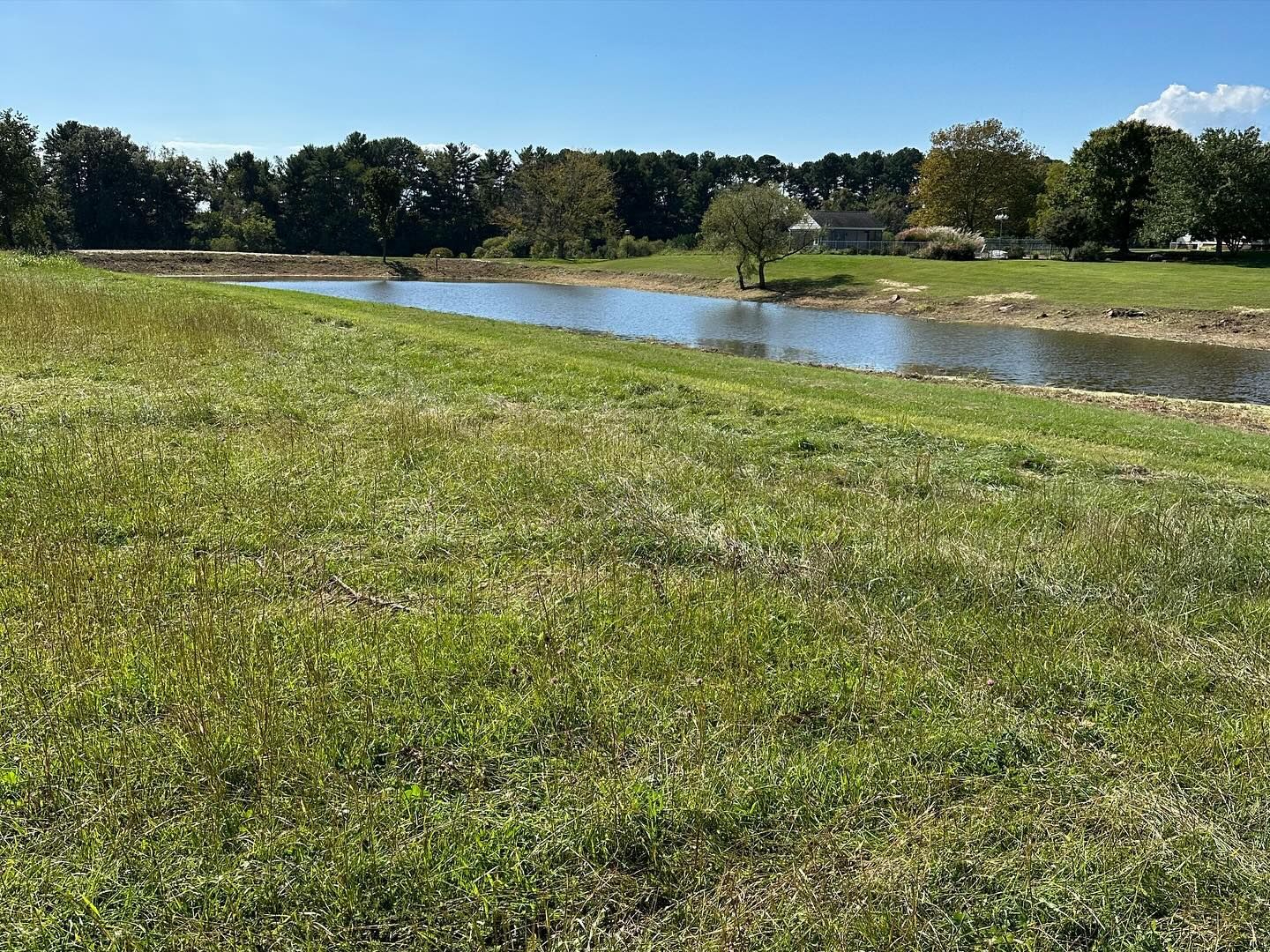
What Goes Into Excavation and How the Pond Functions When Complete
You'll see excavators dig the basin to depths that range from four feet for decorative ponds to twelve feet or more for agricultural or drainage purposes, with deeper sections reducing weed growth and providing thermal refuge for fish. Side slopes are cut at gradual angles—typically three-to-one or gentler—to prevent collapse and allow vegetation to stabilize the banks. Apex Grading & Landscaping shapes the pond to capture runoff from surrounding land, channels inlet flow to reduce sediment deposition, and establishes overflow paths to handle excess water during heavy rain.
After excavation, the pond fills naturally from groundwater, surface runoff, or piped inflow depending on the design, and you'll notice the water level stabilizes within weeks as the basin saturates and seepage slows. The surrounding area drains toward the pond, banks remain stable without slumping, and the water stays clear once sediment settles. Vegetation grows along the edges, providing habitat and erosion control, and the pond functions as a low-maintenance feature that supports irrigation, livestock watering, or visual appeal.
The work includes excavation, slope shaping, and rough grading around the perimeter, but does not cover pond liner installation, aeration systems, fountain features, or fish stocking. If water quality or depth control is critical, additional measures like clay compaction, sediment basins, or engineered inflows may be necessary. Permits may be required depending on pond size, location relative to wetlands or streams, and intended use, and those are confirmed before excavation starts.
Answering Common Pond Construction Questions
Property owners often ask about water sources, maintenance needs, and how soil type affects pond performance in the Easton area.
How do you know if a site will hold water without a liner? Soil testing reveals clay content and permeability, and sites with dense clay subsoils generally retain water naturally, while sandy soils often require a liner or imported clay to prevent excessive seepage.
What size pond is practical for a residential property? Size depends on available space, intended use, and local setbacks, but most residential ponds range from a quarter acre to one acre in surface area, with depths between four and ten feet.
How long does it take to excavate a new pond? Excavation typically takes three to seven days for a half-acre pond, depending on soil conditions, depth, access for equipment, and whether excavated material is moved offsite or redistributed on the property.
Why do some ponds fill quickly while others take weeks? Filling time depends on water sources—ponds fed by springs or streams fill faster than those relying solely on surface runoff or groundwater seepage, especially during dry periods in Easton's seasonal climate.
What happens to the soil removed during excavation? Excavated material is often used to build berms around the pond, raise grades for better drainage, or fill low areas elsewhere on your property, reducing the need for additional fill and lowering overall project costs.
Apex Grading & Landscaping tailors pond design to match your property's topography, water availability, and intended use. If you're planning to use the pond for irrigation, stormwater management, or long-term landscaping value, discussing those goals during the planning phase ensures the excavation and grading deliver the results you're expecting.